
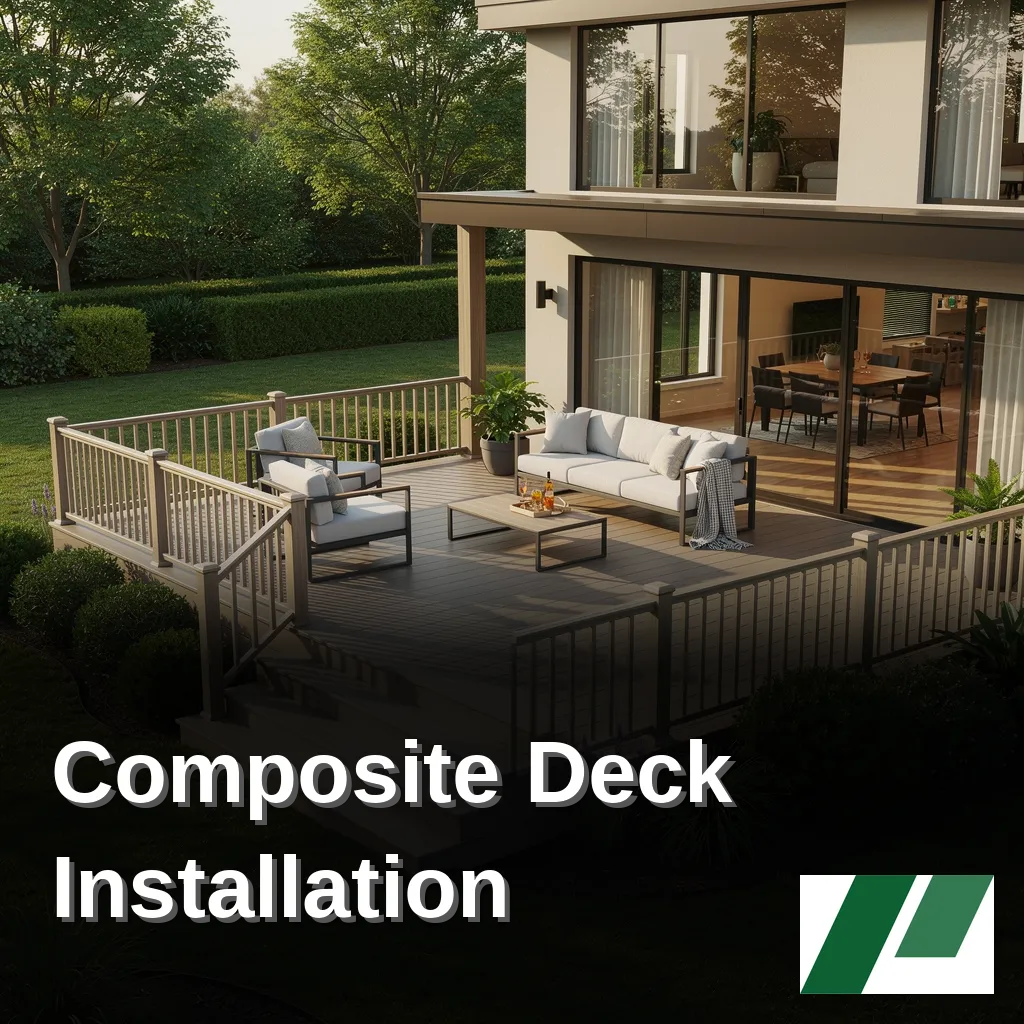
Composite decking has become a top choice for homeowners who want a low-maintenance, long-lasting outdoor living space. Made from a blend of wood fibers and plastic, it replicates the look of real wood while resisting rot, splintering, and insect damage. This guide walks through the most important parts of composite deck installation—costs, benefits, installation steps, and how to pick the right installer—so you can move forward with confidence instead of confusion.
How Much Does Composite Deck Installation Cost?
Knowing what to budget for is one of the first steps in planning a deck. Composite deck costs vary widely depending on the deck’s size, the materials you choose, and local labor rates.
What Factors Influence Composite Deck Installation Pricing?
Several practical factors determine the final price:
Size of the Deck: Bigger decks need more boards, fasteners, and labor, so they cost more overall.
Material Quality: Premium composite boards cost more up front but typically last longer and look better over time.
Labor Costs: Complexity (curves, railings, built-ins) and local contractor rates play a big role in the total price.
Because these variables add up differently for every project, getting detailed estimates from trusted contractors is essential.
What Are the Average Cost Ranges for Composite Decks in 2024?
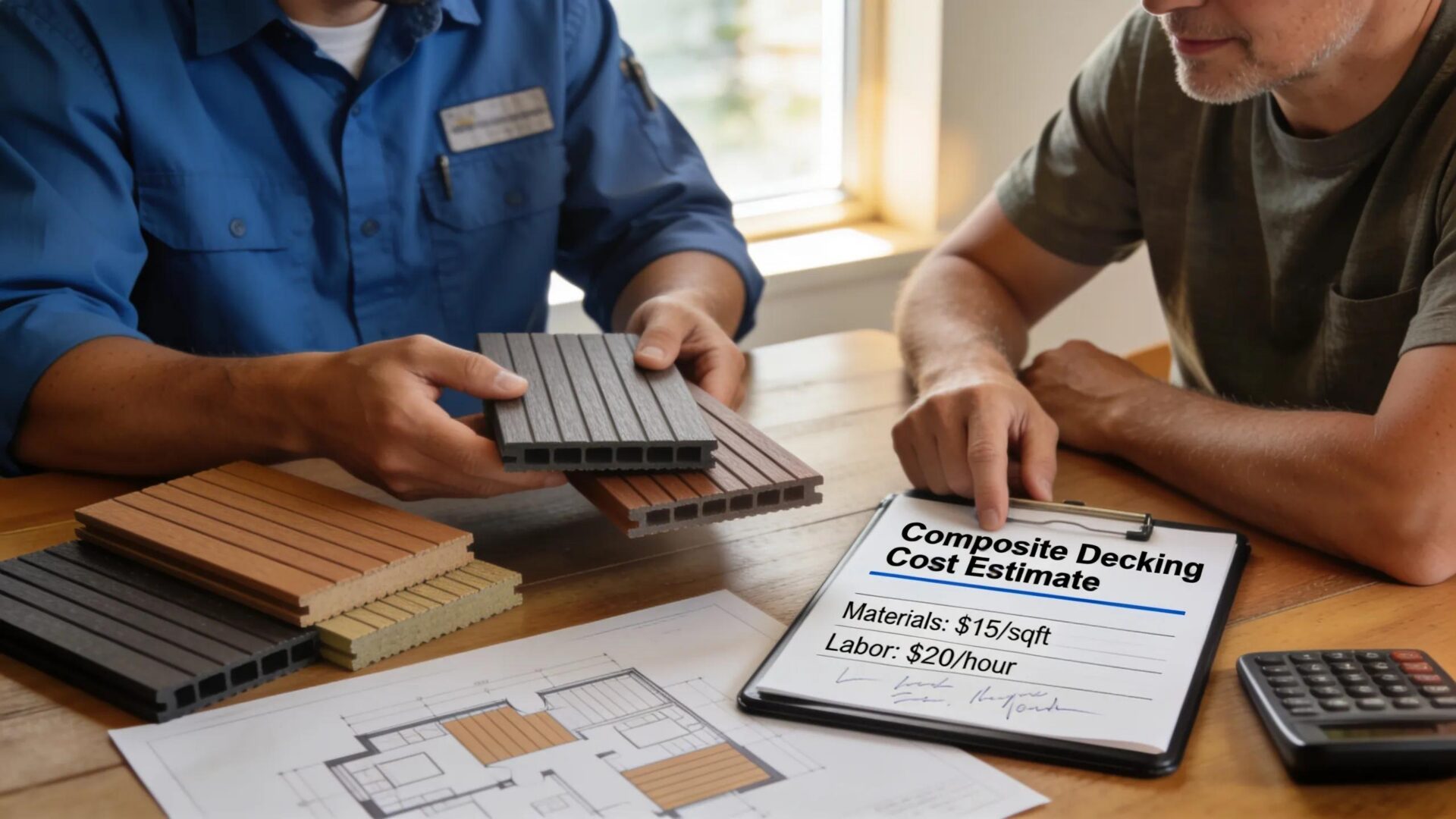
In 2024, expect composite decking installation to average between $15 and $35 per square foot, depending on material and labor choices. Typical cost components break down roughly like this:
Use these ranges as a starting point for budgeting, then refine numbers with contractor estimates that reflect your site and design choices.
Industry research can also shed light on pricing differences among decking materials, including various plastic-based options.
US Decking Market Trends & Material Pricing Vinyl remains a popular plastic decking option and is often priced alongside higher-end materials like WRC. Trends in the US decking market: A national survey of deck and home builders, I Ganguly, 2009
What Are the Pros and Cons of Composite Decking?
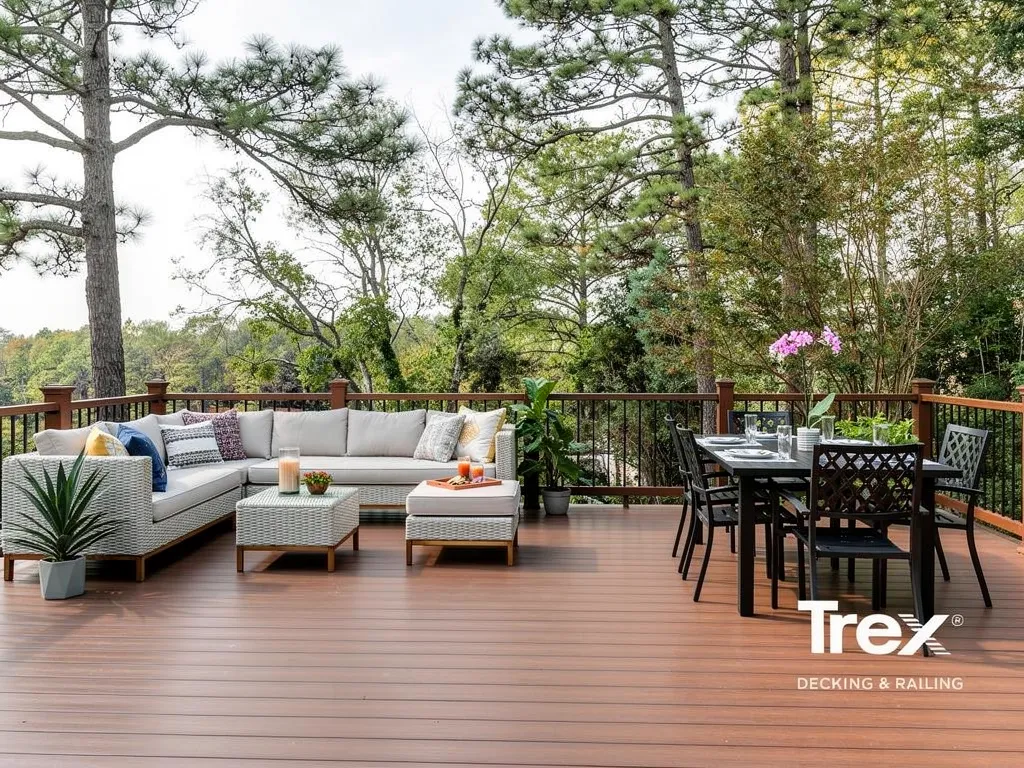
Composite decking offers a mix of benefits and trade-offs. Understanding both will help you choose the right material for your home and lifestyle.
What Are the Key Benefits of Composite Decks?
Composite decking’s main benefits include:
Durability: Resistant to rot, splinters, and insects—composite boards often outlast traditional wood.
Low Maintenance: No regular staining or sealing required; a periodic wash is usually enough.
Eco-Friendly Options: Many composite products use recycled content, which appeals to environmentally minded homeowners.
Those advantages make composite decking an attractive long-term option for busy homeowners and families.
Research comparing composite products to treated lumber further explores environmental impacts and life-cycle differences.
WPC Decking vs. Treated Lumber: Environmental Impact This study evaluates the environmental impacts of alkaline copper quaternary (ACQ) treated lumber and compares them to wood–plastic composite (WPC) decking. Life cycle assessment of ACQ-treated lumber with comparison to wood plastic composite decking, 2011
What Potential Considerations Should Homeowners Know?
There are a few trade-offs to consider up front:
Higher Initial Costs: Composite often costs more initially than basic treated lumber.
Heat Retention: Some composite boards run hotter in direct sun, which can be uncomfortable for bare feet.
Mold and Mildew: While resistant to rot, composites can develop mold or mildew in shaded, damp areas if not cleaned periodically.
Weighing these considerations against long-term maintenance savings will help you decide if composite is the right fit.
Which Are the Best Composite Decking Brands to Consider?

How Do Trex, TimberTech, and Fiberon Compare?
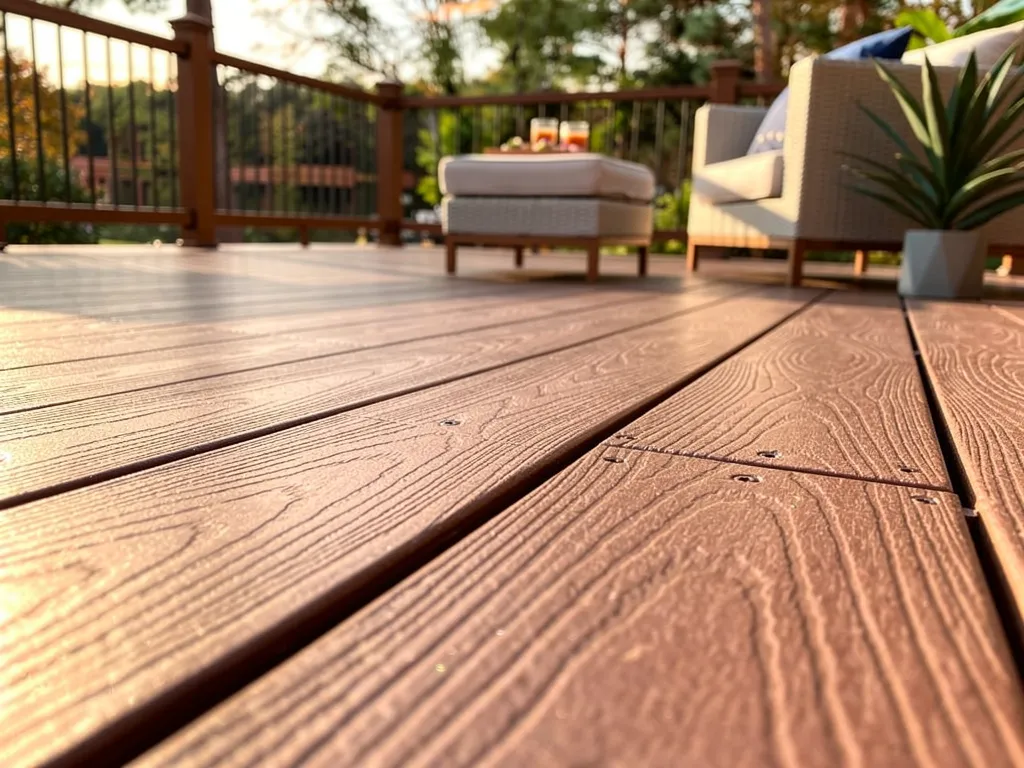
Trex, TimberTech, and Fiberon are leading brands with distinct strengths. Here’s a quick comparison to help narrow your choices:
Compare warranties, surface texture, color stability, and installation systems when choosing a brand—those details often matter more than price alone.
What Should You Know About Brand Features and Durability?
At Prime Outdoor Living we prioritize high-quality materials and skilled workmanship to deliver durable, attractive outdoor spaces. Our projects—whether a deck or a sunroom—aim to blend with your home’s style while improving comfort and energy performance. Features like insulated walls and weather-resistant components help extend the life and functionality of each structure.
What Is the Composite Deck Installation Process?
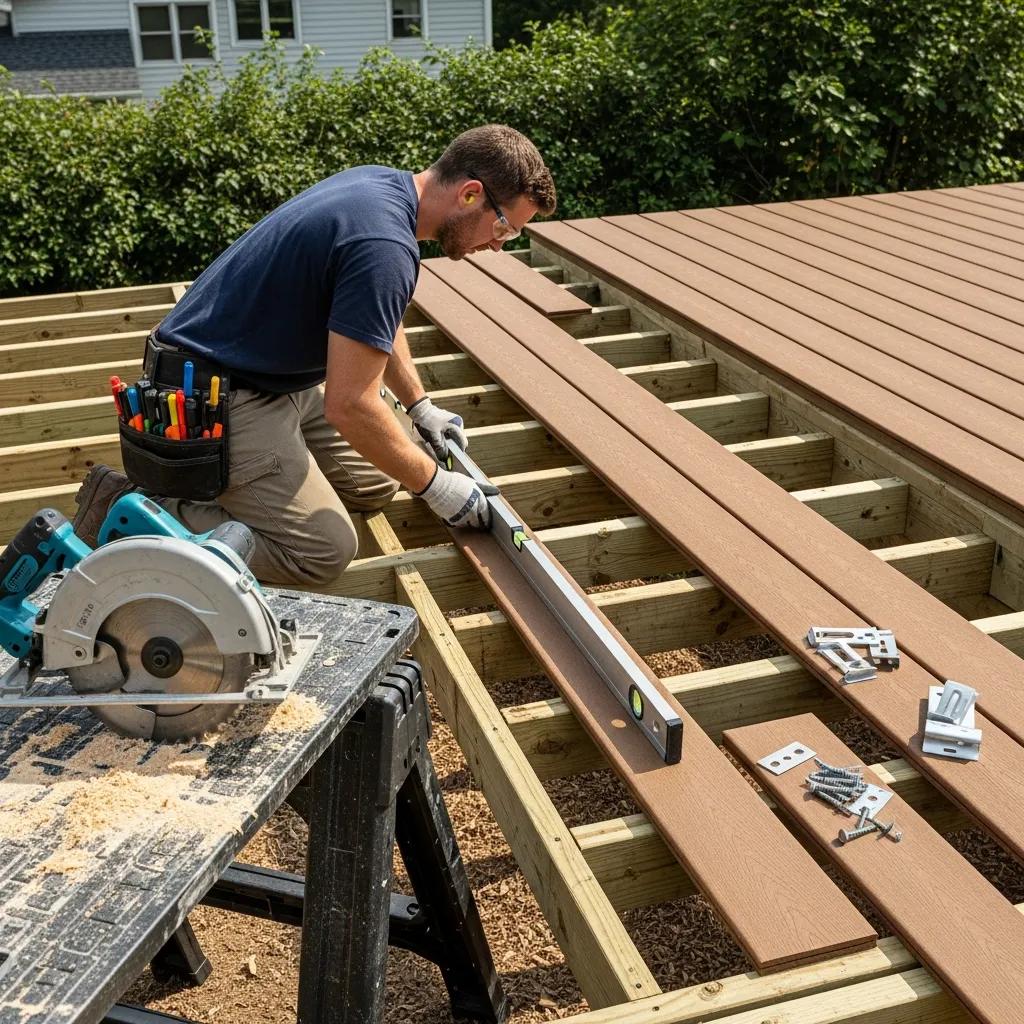
Installing a composite deck follows a sequence of important steps—planning, permitting, substructure work, decking installation, and final inspection—to ensure a safe, long-lasting result.
How Does Planning and Design Work?
Our design process starts with a free consultation and a detailed estimate. We work with you to pick materials and features that match your budget and style, and we use 3D renderings to visualize the finished space. Clear communication from concept through completion helps avoid surprises and ensures the finished deck fits your needs.
What Are the Steps for Permit Acquisition and Substructure Preparation?
Permits and a sound substructure are essential. Typical steps include:
Permit Acquisition: Verify local code requirements and secure the necessary permits before construction.
Substructure Preparation: Level the site, install proper footings, and set joists and beams to code.
Inspection Processes: Schedule required inspections at key milestones to confirm compliance and safety.
Following these steps reduces the risk of costly rework and keeps your project on track.
How Long Does Composite Deck Installation Take?
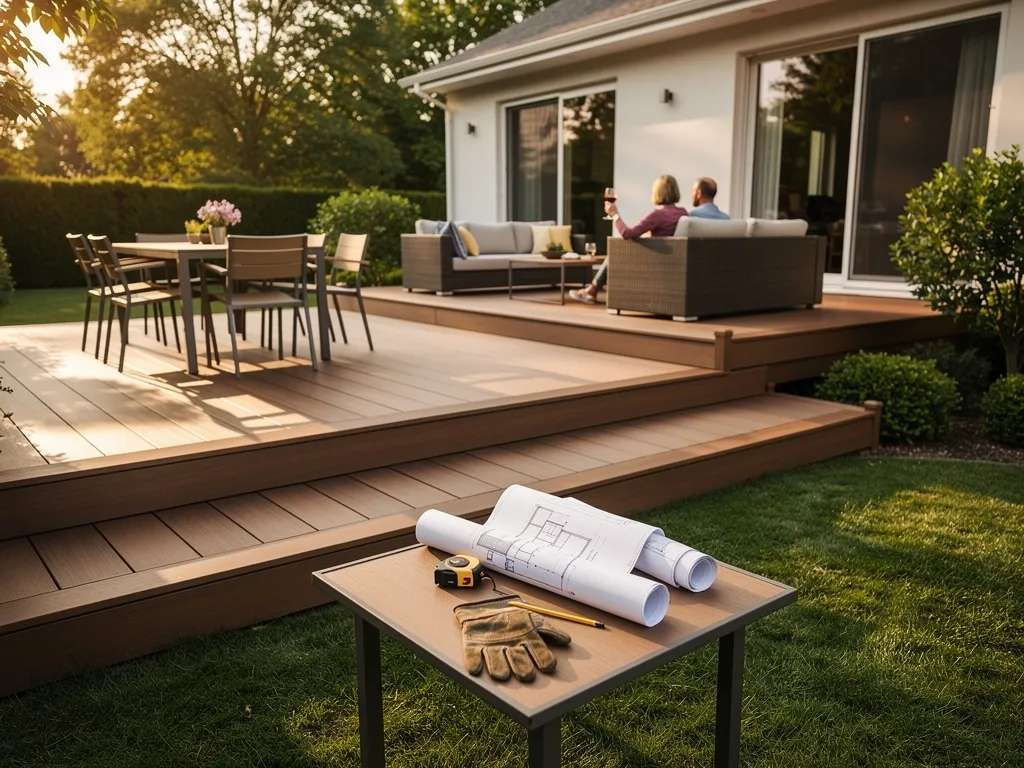
Project timelines depend on size, design complexity, and site conditions, but most jobs follow a predictable schedule.
What Is the Typical Timeline for Planning and Construction?
Small to mid-size decks and patios typically take about 1–3 weeks to build. Larger projects—like screened porches or multi-level decks—may take longer depending on permitting and site work.
Which Factors Affect Installation Duration?
Common factors that influence timeline include:
Project Size: Bigger or more detailed decks require more time.
Weather Conditions: Rain, snow, or extreme temperatures can delay work.
Crew Experience: A seasoned crew works more efficiently and avoids common delays.
Knowing these variables helps you set realistic expectations for start and finish dates.
How to Choose the Right Composite Deck Installer Near Me?
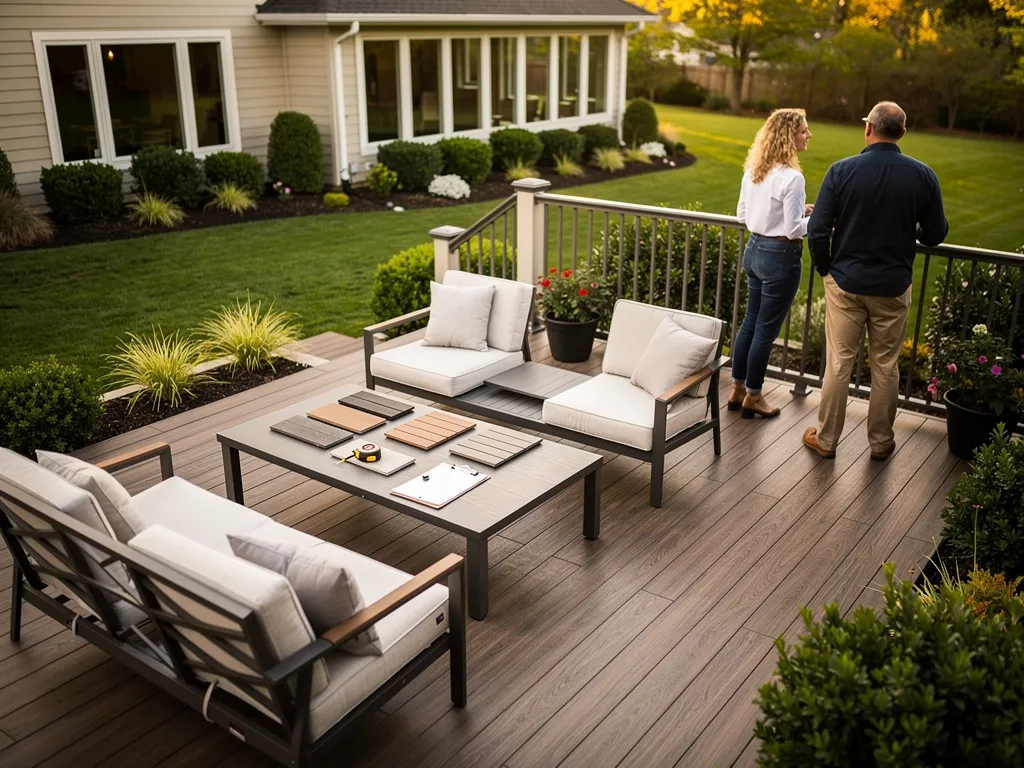
Why Choose Prime Outdoor Living for Composite Deck Installation?
Here are a few reasons homeowners choose Prime Outdoor Living:
Premium Materials: We specify quality products chosen for durability and appearance, with options to fit different budgets.
Custom Designs: Each project is designed to match your home and lifestyle, visualized through 3D renderings so you know what to expect.
End-to-End Service: From the initial consultation through final inspection, we manage the full process for a smoother experience.
Expert Craftsmanship: Our installers focus on detail and code-compliant construction to deliver lasting results on schedule.
What Do Client Testimonials Reveal About Our Services?
This excerpt doesn’t include specific client testimonials, so we don’t have direct quotes to share here. In practice, homeowner feedback typically highlights responsiveness, build quality, and how well the finished space matches the original design.
About the Author: Prime Outdoor Living
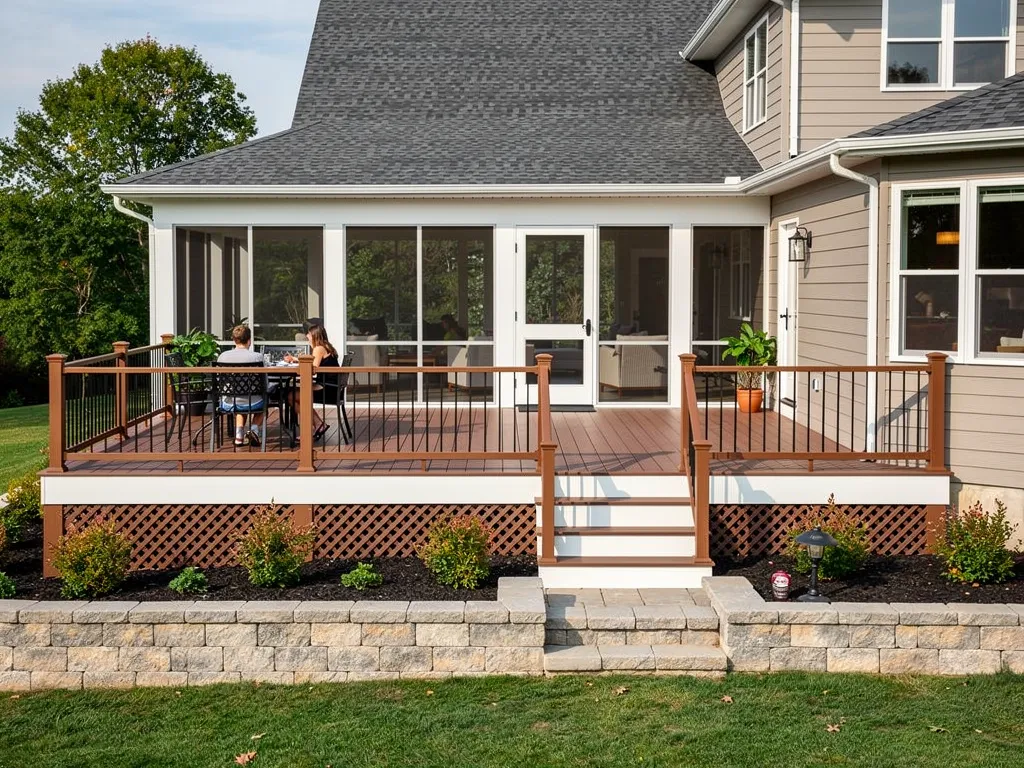
This guide was prepared by the team at Prime Outdoor Living, a design-build contractor based in Fairfax, Virginia, specializing in custom decks, screened porches, three-season rooms, sunrooms and additions, deck resurfacing, and patios and masonry across Northern Virginia, Maryland, and Washington, D.C.
Prime Outdoor Living’s team brings hands-on experience managing composite deck projects from initial consultation through final inspection, pairing 3D design renderings with premium, code-compliant construction to deliver durable, design-forward outdoor spaces. Every recommendation in this guide reflects that field experience and a commitment to transparent, collaborative client service.
To see examples of completed composite deck builds and other outdoor living projects, visit the Prime Outdoor Living project portfolio. For questions about a specific project, reach the team at 703-214-7700 or contact@primeoutdoorliving.com.