
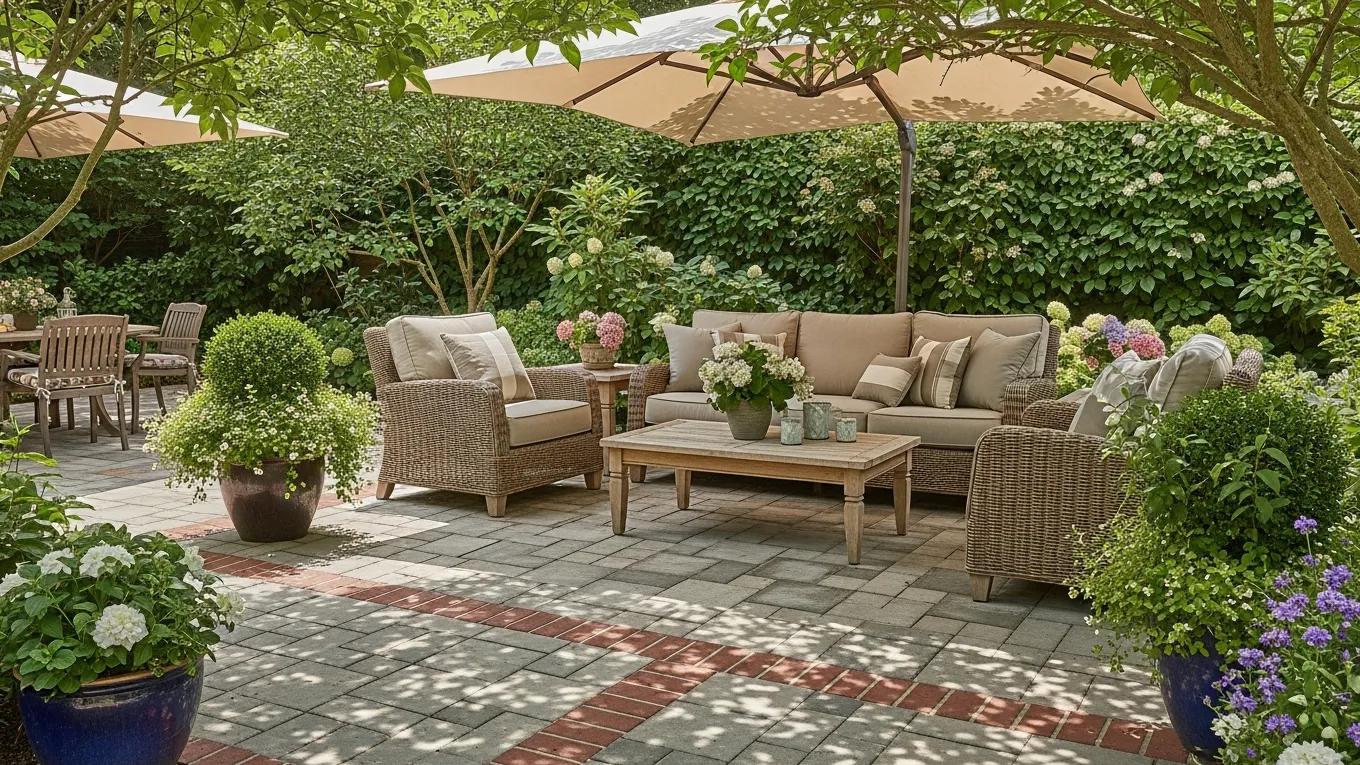
Selecting the right patio paving materials is crucial for creating a durable and aesthetically pleasing outdoor space. With various options available, homeowners often find themselves overwhelmed by the choices. This guide aims to simplify the decision-making process by exploring different types of patio pavers, their durability, aesthetics, maintenance requirements, and eco-friendly options. By understanding these factors, you can make an informed choice that enhances your outdoor living experience. Additionally, we will highlight the importance of professional installation and maintenance services, particularly from experts like Prime Outdoor Living, who specialize in custom outdoor solutions in Northern Virginia, VA, and DC.
Comparing Popular Patio Paving Materials
When it comes to patio paving materials, several options stand out, each with unique characteristics and benefits. The most common types include natural stone pavers, concrete pavers, and brick pavers. Understanding the differences between these materials can help you choose the best fit for your patio.
Natural stone pavers, such as granite and slate, offer exceptional durability and a timeless aesthetic. They are ideal for homeowners looking for a long-lasting solution. Concrete pavers, on the other hand, provide versatility in design and are often more affordable, making them a popular choice. Brick pavers add a classic charm but may require more maintenance over time. For those considering a patio installation, Prime Outdoor Living offers custom patio paver installation services that emphasize durability and aesthetic appeal.
Durability
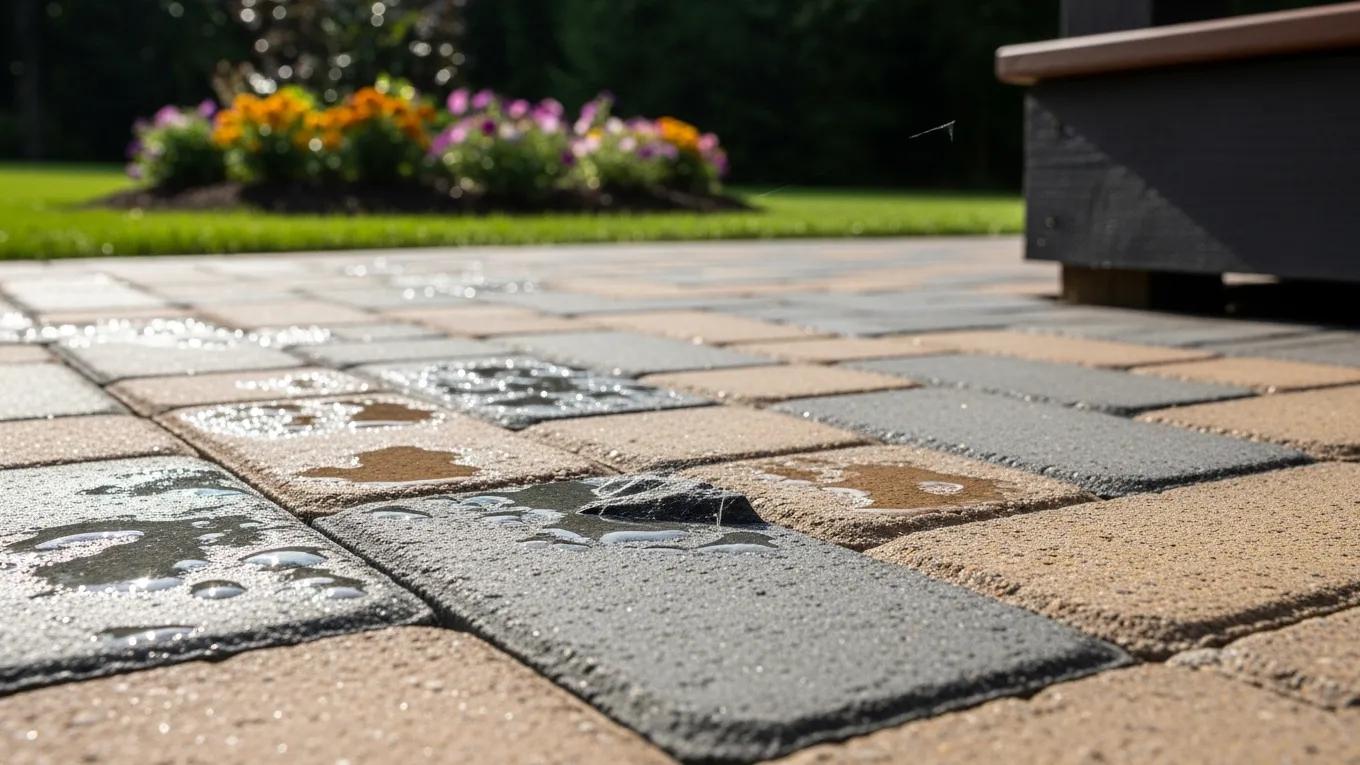
Durability is a key factor when selecting patio pavers. High-quality materials can withstand various weather conditions and heavy foot traffic. Natural stone pavers are renowned for their strength and longevity, making them an excellent investment for outdoor spaces. Concrete pavers are also durable but may be more susceptible to cracking if not properly installed. Regular maintenance, such as sealing and cleaning, can significantly extend the lifespan of your patio.
Aesthetics
The aesthetic appeal of your patio is essential for enhancing your outdoor living space. Choosing the right paver can complement your home’s architecture and landscape design. Natural stone pavers offer a unique, organic look, while concrete pavers can be customized in various colors and patterns. Brick pavers provide a classic, timeless appearance that can add character to any outdoor area. When selecting pavers, consider how they will blend with your existing outdoor elements.
Maintenance Requirements
Maintaining your patio pavers is crucial for ensuring their longevity and appearance. Different materials have varying maintenance needs. Regular cleaning is essential for all types of pavers to prevent staining and moss growth. Sealing is recommended for natural stone and concrete pavers to protect against moisture and wear. Homeowners should also inspect their patios periodically for any signs of damage or wear. Professional installation and maintenance services, such as those offered by Prime Outdoor Living, can help ensure your patio remains in excellent condition.
Eco-Friendly Options
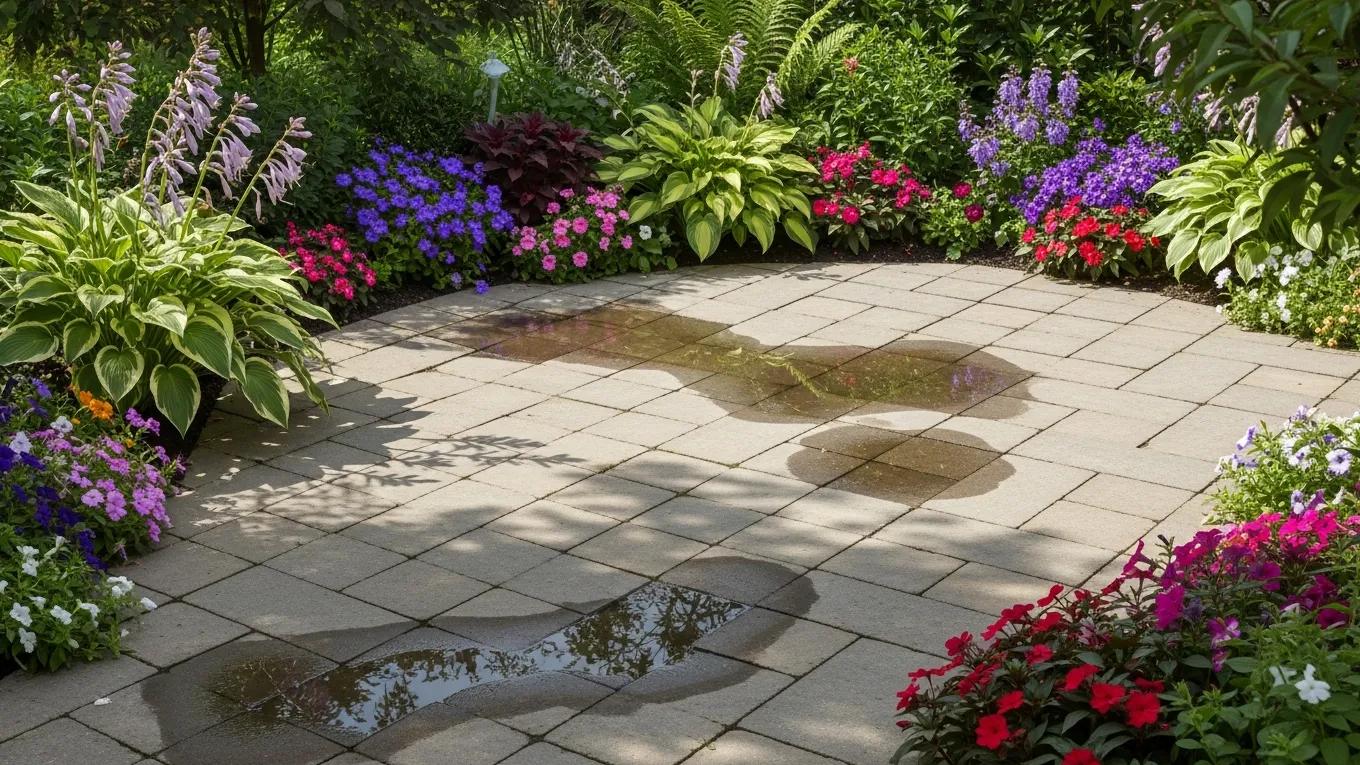
As sustainability becomes increasingly important, many homeowners are seeking eco-friendly patio paving options. Permeable pavers, for instance, allow water to drain through the surface, reducing runoff and promoting groundwater recharge. Additionally, using reclaimed materials can minimize environmental impact while adding character to your outdoor space. When choosing eco-friendly options, consider how they align with your overall landscaping goals.
What Are the Most Durable Patio Pavers for Long-Lasting Outdoor Living?
When it comes to durability, the following patio pavers are among the best options:
Natural Stone Pavers: Known for their strength and resistance to weathering, making them ideal for long-term use.
Concrete Pavers: Versatile and durable, they can withstand heavy loads and are available in various styles.
Interlocking Pavers: These provide excellent load-bearing capacity and are easy to replace if damaged.
These materials not only enhance the longevity of your outdoor space but also contribute to its overall aesthetic appeal.
How Do Concrete and Natural Stone Pavers Compare in Strength and Maintenance?
Concrete and natural stone pavers each have their strengths and maintenance requirements. Concrete pavers are generally more affordable and easier to install, but they may require sealing to prevent cracking. Natural stone pavers, while more expensive, offer superior durability and a unique look. They require more maintenance, including regular sealing and cleaning, to preserve their appearance. Ultimately, the choice between these materials will depend on your budget, aesthetic preferences, and maintenance willingness.
What Benefits Do Interlocking Pavers Offer for Patio Durability?
Interlocking pavers provide several benefits that enhance patio durability:
Load-Bearing Capacity: Their design allows for better weight distribution, reducing the risk of cracking.
Ease of Replacement: If a paver becomes damaged, it can be easily replaced without disturbing the surrounding pavers.
Design Flexibility: Interlocking pavers come in various shapes and colors, allowing for creative design options.
These features make interlocking pavers a popular choice for homeowners seeking a durable and visually appealing patio solution.
Which Patio Paving Materials Best Suit Northern Virginia, MD, and DC Climates?
In the Northern Virginia, MD, and DC regions, it is essential to consider the local climate when selecting patio paving materials. The area experiences a range of weather conditions, including heavy rain and snow. Therefore, materials that can withstand moisture and temperature fluctuations are ideal. Natural stone and concrete pavers are well-suited for these conditions, as they offer durability and resistance to weathering. Additionally, permeable pavers can help manage water runoff, making them a practical choice for this climate.
What Are Essential Tips for Professional Patio Paver Installation?
Professional installation is crucial for ensuring the longevity and performance of your patio. Here are some essential tips to consider:
Choose Experienced Contractors: Look for professionals with a proven track record in patio installation.
Discuss Your Vision: Communicate your design preferences and functional needs to ensure the final product meets your expectations.
Understand the Budget: Be clear about your budget and any potential additional costs that may arise during the installation process.
By following these tips, you can ensure a successful patio installation that enhances your outdoor living space.
How Should Homeowners Maintain Patio Pavers to Maximize Lifespan?
To maximize the lifespan of patio pavers, homeowners should adopt a regular maintenance routine. This includes:
Regular Cleaning: Sweep and wash the pavers to remove dirt and debris.
Sealing: Apply a sealant to protect against stains and moisture penetration.
Inspection: Periodically check for cracks or shifting pavers and address any issues promptly.
By implementing these maintenance strategies, homeowners can keep their patios looking great and functioning well for years to come.
In fact, advancements in material science are continuously improving the durability of concrete pavers, as highlighted by recent research.
Fiber Reinforcement for Durable Concrete Paver Blocks
At present, concrete blocks serve as the primary construction material in civil engineering due to their convenient material selection and impressive compressive strength. However, their limitations in terms of low tensile strength, poor toughness, and susceptibility to cracking hinder their progress. To enhance the flexibility and resilience of concrete, incorporating fibers is a viable method to develop a composite material. Concrete blocks, pavers, and kerbstones are widely using in construction applications. However, this is susceptible to cracking, especially under heavy loads or in harsh environmental conditions. Pine needles is a promising new material for reinforcing concrete. This is strong, durable, and sustainable. Pine needle is a promising material for reinforcing concrete blocks, pavers, and kerbstones. It has been shown to enhance a wide range of concrete valuables, containing tensile strength compressive strength, flexural strength, toughness indices.