Best Composite Decking Options for Your Home Upgrade: Comprehensive Guide for Homeowners
Upgrading your outdoor living space with composite decking can transform your home into a stylish and functional retreat. This comprehensive guide will explore the best composite decking options available, highlighting their benefits, costs, and maintenance requirements. Homeowners often seek durable and low-maintenance materials that enhance their outdoor areas while providing long-lasting value. Composite decking stands out as a solution that combines aesthetics with practicality, making it an ideal choice for modern homes. In this article, we will discuss why composite decking is a superior option, the leading brands in the market, factors to consider when selecting decking, cost comparisons with traditional wood, the installation process, and maintenance tips to keep your deck looking great for years to come.
Why Choose Composite Decking for Your Home Upgrade?
Composite decking is an innovative material made from a blend of wood fibers and recycled plastic, offering a range of benefits over traditional wood. Its durability is one of the most significant advantages, as it resists rot, insects, and fading, ensuring a long lifespan with minimal upkeep. Additionally, composite decking is eco-friendly, utilizing recycled materials and reducing the need for deforestation. Homeowners can enjoy a beautiful outdoor space without the environmental impact associated with traditional wood decking.
Further research delves into the comprehensive performance and environmental considerations of wood-plastic composites, offering a deeper understanding of their overall impact.
Wood-Plastic Composites: Performance, Impacts & User Perception
This chapter reviews and discusses the performance and environmental impacts of wood-plastic composites (WPCs) used in a variety of applications. Performance is considered in terms of fitness for use, manufacturing methods, material components of WPCs, and user perceptions of the material. The environmental impacts of WPCs are reviewed and contain comparisons to solid wood alternatives, different matrix components, and future considerations for performing environmental impact assessments of WPCs.
Wood-plastic composites—
Performance and environmental impacts, MJ Schwarzkopf, 2016
For those considering an upgrade, composite decking provides a low-maintenance solution that allows for more time spent enjoying your outdoor space rather than maintaining it. Prime Outdoor Living specializes in high-quality composite decking options, ensuring that your investment enhances your home’s value and aesthetic appeal.
Studies further explore the environmental footprint of composite decking, comparing its impacts to traditional alternatives like treated lumber.
WPC Decking vs. Treated Lumber: Environmental Impact
for decking and to determine how the impacts compare to the primary alternative product, wood plastic composite (WPC) decking
Life cycle assessment of ACQ-treated lumber with comparison to wood plastic composite decking, 2011
What Are the Key Benefits of Composite Decking Compared to Wood?
- Durability: Unlike wood, composite decking is resistant to rot, splintering, and insect damage, ensuring a longer lifespan.
- Low Maintenance: Composite materials require minimal upkeep, needing only occasional cleaning with soap and water to maintain their appearance.
- Eco-Friendly: Made from recycled materials, composite decking reduces environmental impact compared to harvesting new wood.
These advantages make composite decking a smart investment for homeowners looking to enhance their outdoor living spaces.
While composite decking offers numerous benefits, it’s also important to consider alternative perspectives that highlight the enduring practicality and durability of real wood.
Real Wood vs. Composite Decking: Practicality & Durability
Hosting barbeques, pool parties and events are what summer is all about. It might surprise you to learn how the practicality of your real wood deck delivers a more comfortable and superior experience to composite decking. Throughout its life span we expect our deck to hold up to the wear and tear of daily activity. While composite decking is perceived to deliver similar structural integrity and durability, wood has proven to be more sustainable, durable and more comfortable than composite alternatives. From better thermal properties to a lower carbon footprint, wood proves to be the more practical choice.
Real Wood vs. Composite Decking: Why is wood best?
How Does Composite Decking Enhance Outdoor Living Spaces?
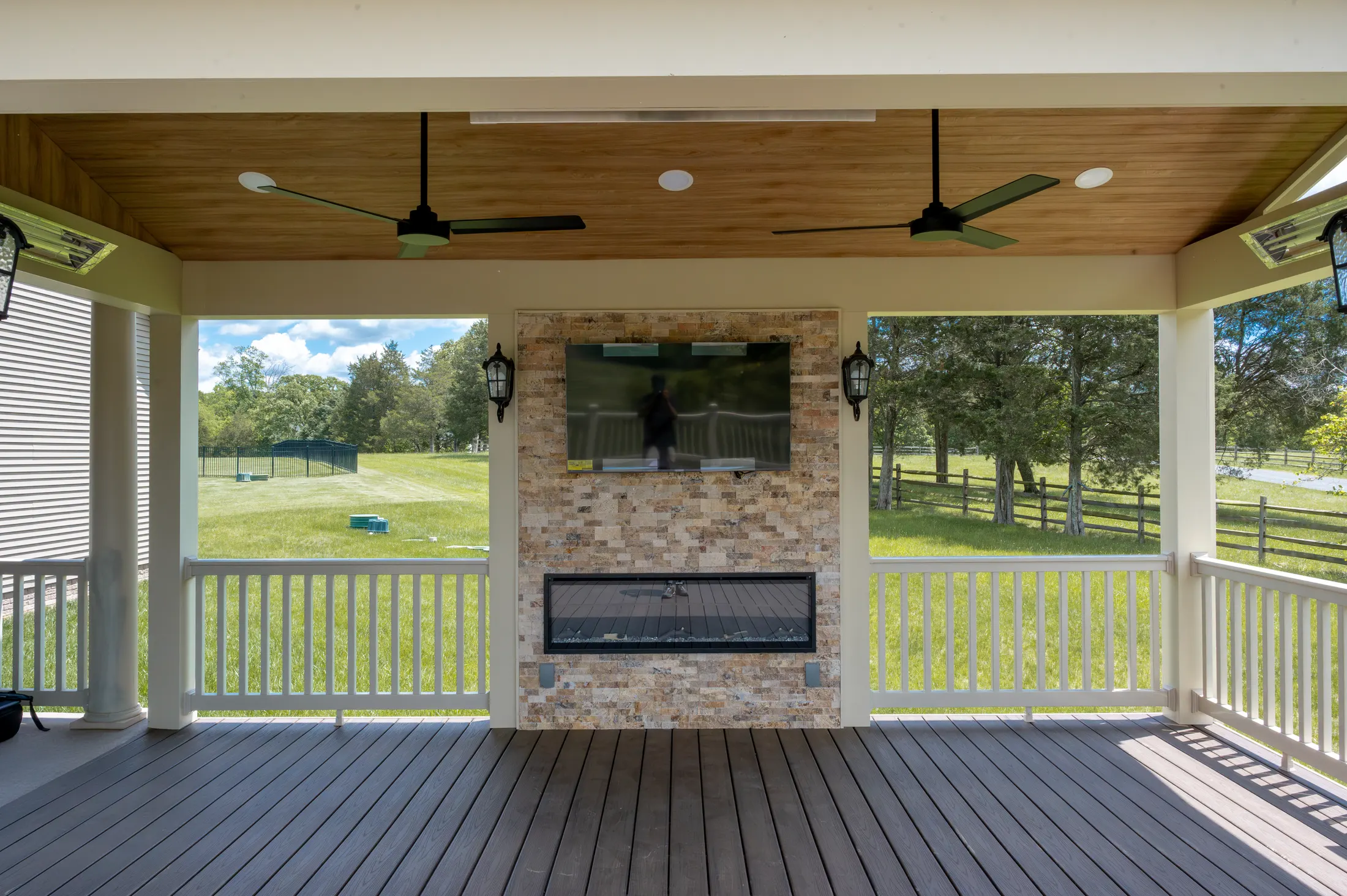
Composite decking enhances outdoor living spaces by providing a versatile and attractive surface for various activities. With a wide range of colors and styles available, homeowners can choose a design that complements their home’s architecture and landscaping. Additionally, composite decking can be integrated with features like built-in seating, planters, and lighting, creating a cohesive and inviting outdoor environment. The comfort and usability of composite decking make it an ideal choice for entertaining guests or enjoying quiet evenings outdoors.
Which Composite Decking Brands Offer the Best Value and Performance?
What Makes Trex Composite Decking a Top Choice for Homeowners?
Trex composite decking is renowned for its high-quality materials and innovative designs. Made from approximately 95% recycled materials, Trex is an eco-friendly option that does not compromise on performance. The brand offers a variety of colors and finishes, allowing homeowners to customize their decks to fit their style. Trex decking is also backed by a 25-year limited residential warranty, providing peace of mind for homeowners.
How Does TimberTech Decking Combine Style and Durability?
TimberTech decking is another top contender in the composite decking market, known for its blend of style and durability. The brand offers a range of products that mimic the look of natural wood while providing the benefits of composite materials. TimberTech’s capped composite boards are designed to resist fading, staining, and scratching, ensuring a beautiful deck that lasts. With a focus on sustainability, TimberTech uses recycled materials in its products, making it an environmentally responsible choice for homeowners.
This comparison highlights the strengths of each brand, helping homeowners make informed decisions based on their preferences and budget.
What Factors Should You Consider When Selecting Composite Decking?
How Do Color and Style Trends Influence Decking Choices in 2026?
In 2026, color and style trends for composite decking are leaning towards natural hues and textures that mimic the look of real wood. Homeowners are increasingly opting for earthy tones and weathered finishes that blend seamlessly with outdoor environments. Additionally, the trend towards minimalism and sustainability is influencing choices, with many seeking products that are both stylish and eco-friendly.
What Are the Pros and Cons of Capped vs. Uncapped Composite Decking?
When selecting composite decking, it’s essential to understand the differences between capped and uncapped options.
- Capped Composite Decking:Pros: Enhanced durability, resistance to stains and fading, and easier maintenance.Cons: Typically higher in cost compared to uncapped options.
- Uncapped Composite Decking:Pros: More affordable and offers a natural wood appearance.Cons: More susceptible to staining and fading over time.
Understanding these differences can help homeowners choose the best option for their needs and budget.
How Does Composite Decking Cost Compare to Traditional Wood Decking?
What Is the Initial Investment and Long-Term Value of Composite Decks?
The initial investment for composite decking is generally higher than that of traditional wood. However, the long-term value is often greater due to lower maintenance costs and a longer lifespan. Homeowners can expect to spend between $3.50 to $7.00 per square foot for composite decking, while traditional wood can range from $2.00 to $4.00 per square foot. Over time, the reduced need for repairs and replacements with composite materials can lead to significant savings.
How Do Local Costs in Northern Virginia Affect Your Budget?
Local costs in Northern Virginia can vary significantly based on factors such as labor rates and material availability. Homeowners should consider these regional differences when budgeting for their decking project. For instance, installation costs may be higher in urban areas due to increased demand and labor costs. It’s advisable to obtain multiple quotes from local contractors to ensure a competitive price.
What Is the Process for Professional Composite Deck Installation?
The process for professional composite deck installation includes several key steps to ensure a successful project.
- Consultation: Schedule a free consultation to discuss your project needs and preferences.
- Design: Work with the team to create a custom design that fits your vision and functionality requirements.
- Material Selection: Choose high-quality materials, including composite decking, based on your budget and design goals.
- Preparation: Inspect the site and assess any necessary material removal.
- Installation: The team will install the deck using expert craftsmanship, ensuring it meets quality standards.
- Finishing Touches: Apply custom finishes as needed.
- Cleanup and Final Inspection: Clean the site and conduct a final inspection to ensure everything is completed to satisfaction.
Why Is Expert Installation Important for Composite Deck Longevity?
Expert installation is crucial for the longevity of composite decking. Properly installed decks are less likely to experience issues such as warping, buckling, or uneven surfaces. Skilled professionals understand the nuances of working with composite materials, ensuring that the deck is built to withstand the elements and provide lasting enjoyment.
How Does Prime Outdoor Living Ensure Quality and Timely Deck Construction?
- Expert Craftsmanship: Their team of skilled craftsmen works efficiently to deliver projects on schedule without compromising quality.
- High-Quality Materials: They use premium, weather-resistant materials to ensure durability and elegance.
- Custom Designs: Each project is uniquely designed and brought to life through 3D renderings, blending functionality with beauty.
- End-to-End Service: They provide guidance from consultation to final construction, ensuring a seamless process.
- Transparent Communication: They keep clients informed throughout the project, contributing to a stress-free experience.
These practices highlight Prime Outdoor Living’s commitment to delivering exceptional outdoor living spaces.
How Do You Maintain and Care for Your Composite Deck?
Maintaining your composite deck is essential for preserving its appearance and longevity. Here are some best practices for care.
What Are the Best Practices for Cleaning and Preventing Deck Damage?
- Regular Cleaning: Sweep away debris and dirt regularly to prevent buildup.
- Use Mild Cleaners: Clean with a mild soap and water solution to avoid damaging the surface.
- Avoid Harsh Chemicals: Steer clear of bleach or abrasive cleaners that can harm the decking material.
Implementing these practices will help maintain the beauty and functionality of your deck.
How Can You Address Common Concerns Like Deck Heat and Stains?
- Choose Lighter Colors: Opt for lighter shades that reflect heat rather than absorb it.
- Use Rugs or Mats: Place outdoor rugs or mats in high-traffic areas to protect against stains.
- Prompt Stain Removal: Clean spills immediately to prevent staining and maintain the deck’s appearance.
By following these tips, homeowners can enjoy their composite decks without worrying about common issues.